 Pin It
 There's something about the way figs and pâté sing together that stopped me mid-conversation at a dinner party years ago. I was halfway through describing my day when a friend passed me one of these little bites, and suddenly I understood why French charcuterie boards have their reputation. The combination felt impossibly elegant yet simple, like someone had figured out a secret about flavor that the rest of us were still chasing. Now whenever I want to impress without stress, this is what I make.
I remember making this for my partner's book club and watching people literally pause mid-conversation to really taste it. The room got quieter in that good way, and someone asked if I'd trained as a chef. I hadn't, which made the moment even better—it was proof that careful layering and good ingredients do half the work for you.
Ingredients
- Duck or chicken liver pâté (200 g): This is your foundation, so buy from a decent source if you can—the flavor difference is real and worth it.
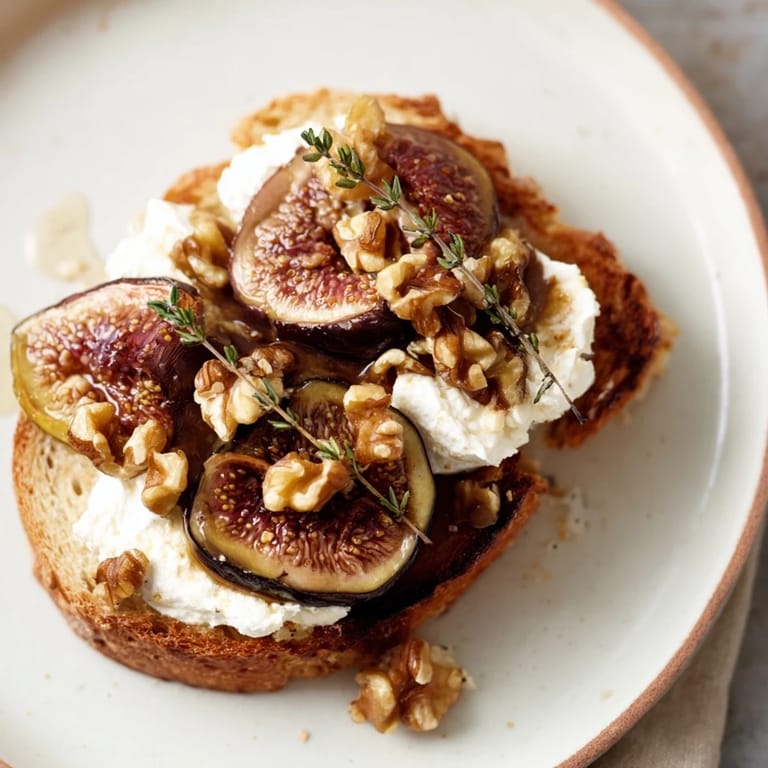
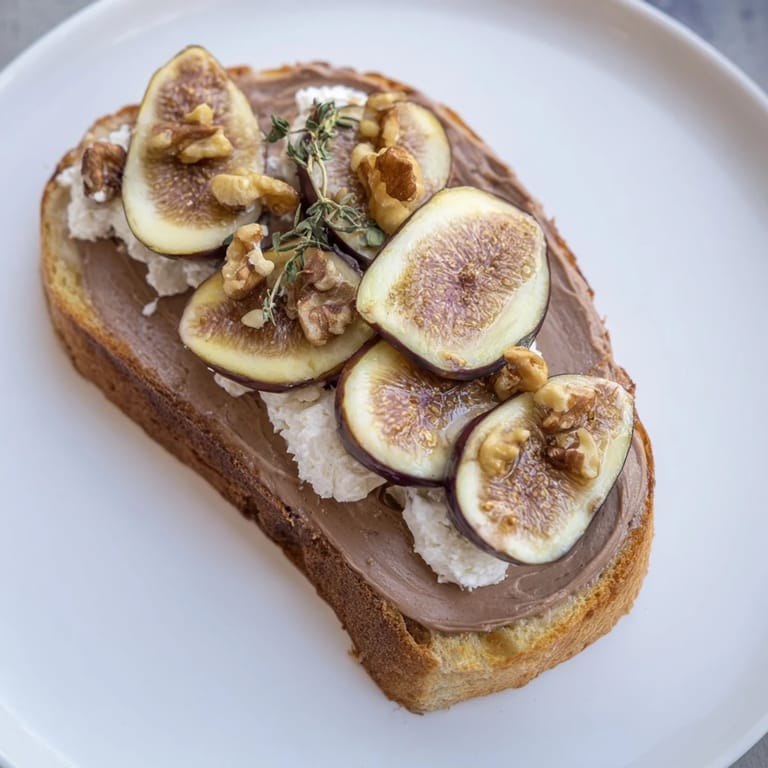
- Dried figs (120 g), thinly sliced: The slight chew and natural sweetness balance the richness of the pâté beautifully.
- Soft goat cheese (80 g), room temperature: Leave it out for fifteen minutes before you start so it spreads like a dream and tastes less tangy.
- Toasted brioche or gluten-free crackers (12 slices): The toast has to actually be crisp, not just warm—soggy crackers ruin the whole thing.
- Toasted walnuts (40 g), roughly chopped: Toasting them yourself brings out a depth that pre-toasted nuts from a bag sometimes miss.
- Fresh thyme sprigs: A small garnish that says you care about the details.
- Fig jam (2 tbsp, optional): A drizzle ties everything together with a subtle sweetness and shine.
Tired of Takeout? 🥡
Get 10 meals you can make faster than delivery arrives. Seriously.
One email. No spam. Unsubscribe anytime.
Instructions
- Set the stage with your base:
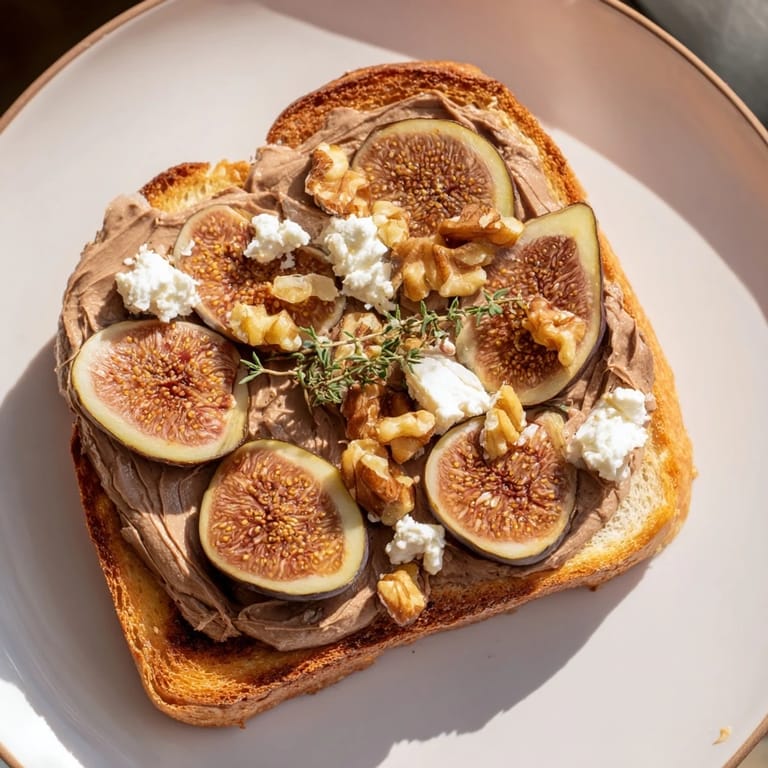
- Arrange your toasted brioche or crackers on a large serving platter so they overlap like roof tiles or a tapestry. This isn't just about looks—it makes the whole thing easy to grab, and the visual alone tells your guests something thoughtful is happening.
- Build your first layer:
- Spread a generous layer of pâté over each piece, using a small spatula or butter knife to get it smooth. You want enough that you taste it clearly, but not so much that it overwhelms the other flavors.
- Add your jewels:
- Place thinly sliced dried figs on top of the pâté with enough coverage to see that rich fig color against the darker spread. This is where the visual drama starts.
- Dot with cheese:
- Drop small spoonfuls of room-temperature goat cheese across the platter, nestling them among the figs. The creaminess of the cheese against the chew of the figs is where the magic lives.
- Bring texture:
- Sprinkle toasted walnuts over everything for a subtle crunch that changes how each bite feels.
- Finish with intention:
- Drizzle with fig jam if you're using it, and scatter fresh thyme sprigs across the top. Step back and look at it before you serve—you've made something beautiful.
- Serve right away:
- Encourage your guests to grab a piece and taste all the layers together. The warmth of conversation makes it taste even better.
 Pin It
 One afternoon, my neighbor stopped by and I had these made, and we ended up talking for two hours over wine and these little bites. That's when I realized this dish isn't really about impressing people—it's about creating a moment where good food and good company make each other better.
Why This Works as an Appetizer
It's the kind of thing that makes people slow down before dinner starts. No one wolfs these down; they pause to really taste the layers. That moment of attention sets the tone for a better meal and better conversation, which is honestly what entertaining is really about.
Playing With Variations
I've tried swapping out ingredients based on what was in my kitchen or what mood I was in. Blue cheese instead of goat cheese turns it sharper and more intense. Mushroom pâté works beautifully for vegetarian guests and honestly doesn't feel like a compromise. The structure stays the same, but the personality changes completely.
The Wine Question
This dish was born to be eaten with wine, and the pairing makes a real difference to how everything tastes. A chilled Sauternes brings out the sweetness of the figs, while a fruity red wine lets the richness of the pâté shine. Even a crisp white wine works if that's what you have on hand.
- Sauternes is the traditional choice and honestly one of the best pairings I've found.
- A light Pinot Noir or Grenache works if you want red wine instead.
- If you're keeping it simple, a cold glass of anything you actually like beats an overthought choice every time.
 Pin It
 This is the recipe I reach for when I want to feel a little fancy without the stress. It's proof that you don't need complicated techniques or endless ingredients to make something memorable.